MeesoLux is a financial simulation platform where high school and university students manage a virtual budget over twelve weeks. Real decisions. Real consequences. Zero real money.

Every week presents a new financial scenario. Students make choices about spending categories, savings goals, and unexpected expenses. The platform tracks everything and builds a complete picture of financial behavior over time.
Each participant starts with a defined virtual income. This represents a realistic monthly amount for a young adult navigating early financial independence. The starting conditions are identical for everyone in the group.
Housing, food, transportation, entertainment, and savings. Students allocate funds across categories each week. Some categories are fixed obligations. Others offer flexibility and reveal personal priorities.
Random financial events appear throughout the simulation. A medical expense. A broken appliance. An unexpected opportunity. These events test whether students have built financial resilience or left themselves exposed.

At the end of each week, anonymized results are shared with the group. Students see how their savings rate, debt level, and spending patterns compare with classmates. This comparative view creates powerful learning moments without judgment.
Learn moreWeek 12 reveals the full picture. Net worth, savings accumulated, debt avoided, and resilience score. Students receive a detailed breakdown of their financial journey through the simulation.
Understanding the difference between passive learning and active simulation helps explain why experiential education creates lasting change in financial behavior.
The simulation is structured around four recurring phases. Each week moves through these phases, building complexity as the program progresses.

Each week opens with a virtual income deposit. The amount reflects a realistic scenario for a young adult: a part-time job, a scholarship stipend, or a family allowance. Students see their available balance and must plan how to use it across the coming week.
Some weeks introduce variable income. A bonus arrives. Hours are cut. This variability teaches students to plan for income uncertainty rather than assuming a fixed monthly figure.
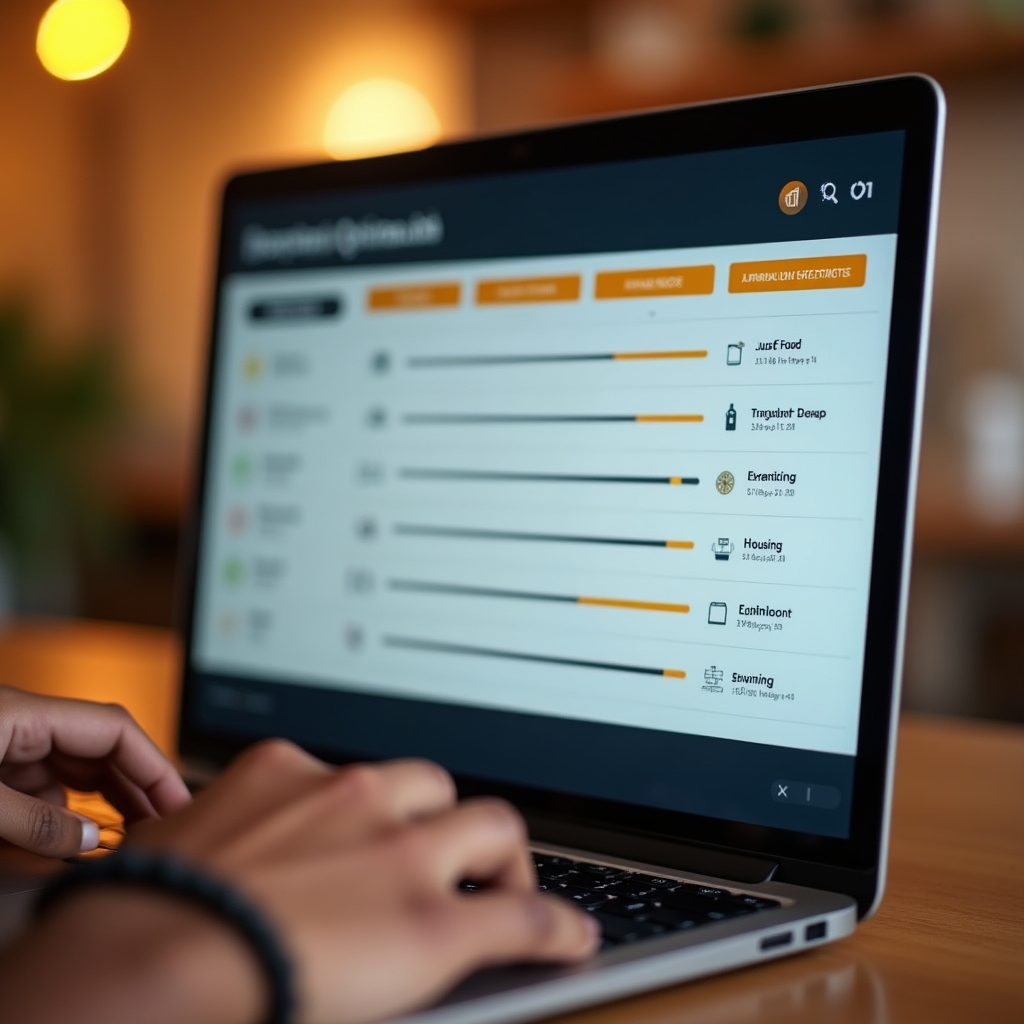
Students allocate their virtual funds across spending categories. Food, transportation, rent, personal care, entertainment, and savings. The interface makes the trade-offs visible. Spending more on entertainment means less available for savings or emergencies.
There are no wrong answers in isolation. But patterns emerge over time. Students who consistently underfund their emergency reserve face harder choices when unexpected events arrive.

Unexpected events are the heart of the simulation. A phone breaks. A medical visit is needed. A friend's birthday creates social spending pressure. A side income opportunity appears but requires upfront cost.
These events are designed to mirror real-life financial surprises. How a student responds reveals their financial instincts. Do they dip into savings? Take on virtual debt? Adjust next week's spending? Each response has consequences that carry forward.

At the end of each week, the group review dashboard reveals anonymized results. Students see the distribution of savings rates, debt levels, and spending patterns across their cohort. No individual is named. The data speaks collectively.
This is where the deepest learning happens. Students who see themselves at the bottom of the savings distribution often adjust their approach the following week. Those at the top discover that their instincts align with sound financial principles.
The simulation builds progressively. Early weeks establish habits. Later weeks introduce complexity that tests everything students have learned.
MeesoLux is designed for two distinct student groups, each at a different stage of financial awareness.
Preparatoria students encounter financial concepts for the first time in a structured way. The simulation introduces budgeting, saving, and the reality of unexpected costs before they face these decisions with real money. Building awareness early creates lasting habits.
University students often manage their own finances for the first time. The simulation creates a structured environment to practice decision-making, explore different strategies, and understand how small choices compound over time. The twelve-week format mirrors a semester naturally.
Educators and institutions can request information about integrating the simulation into their curriculum. The program is designed to complement existing finance or economics courses.